

Eva Mahkorn
Diplom-Psychologin
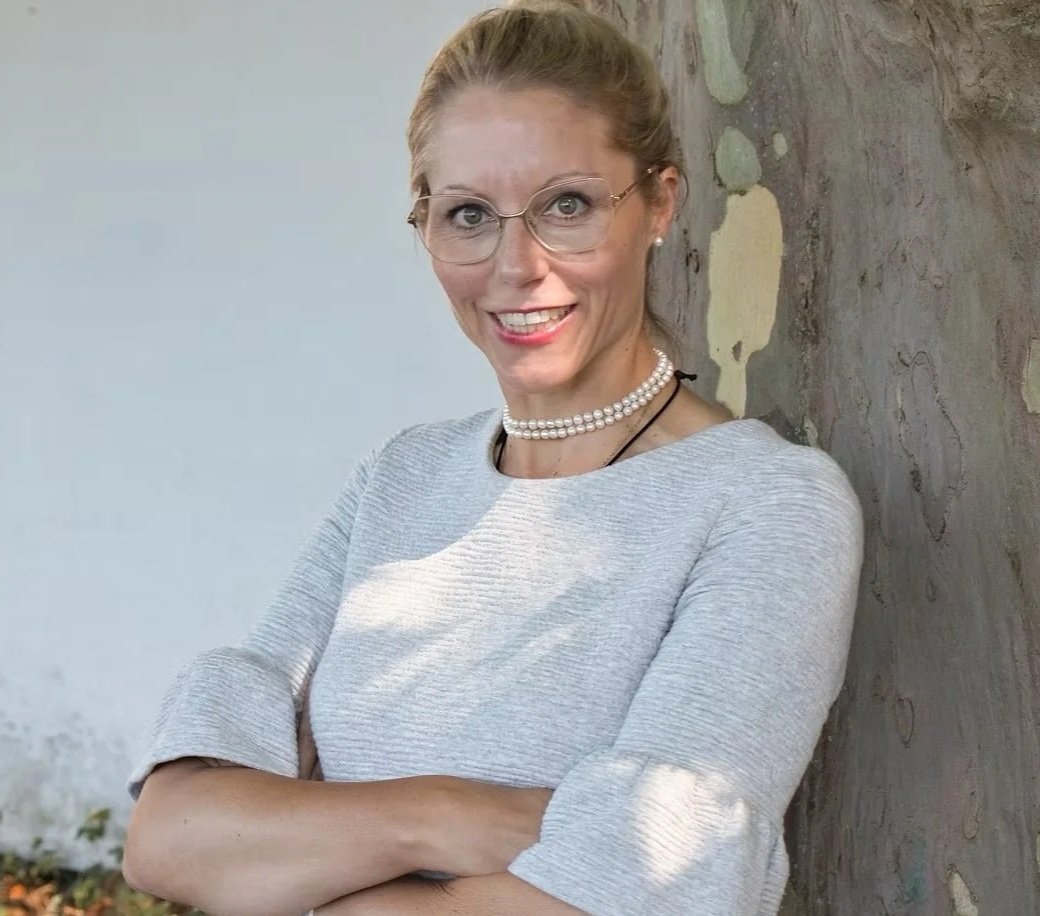
Eva is a graduate psychologist (Dipl.-Psych.) specializing in eating disorders, child and adolescent psychotherapy, and the psychological challenges surrounding body image, self-esteem, and emotional well-being. At NEUMUT in Landsberg am Lech, she offers a compassionate and non-judgmental space where young people and their families can feel understood, accepted, and supported in finding their own path toward recovery.
Eva initially studied psychology, pedagogy, and English at the University of Bamberg, preparing for a career as a teacher at vocational schools. During her teaching placement in Bad Tölz, she recognized that many young people were struggling with challenges that extended far beyond the classroom. This experience inspired her to redirect her career toward mental health and psychotherapy.
Having experienced the benefits of psychotherapy firsthand during her own personal challenges, Eva decided to pursue professional training in cognitive behavioral therapy at the IVS in Fürth, despite initial reservations within her family. She obtained her license to practice in 2015 and simultaneously began training in clinical hypnosis through the Milton Erickson Society Germany.
Through clinical placements and professional experience at institutions including the ADHD Center Munich, the Hochried Clinic in Murnau, and the psychiatric practice of Dr. Cramer in Gräfelfing, Eva developed a broad understanding of psychological difficulties and their treatment. She soon discovered a particular passion for working with eating disorders, recognizing the need for therapeutic approaches that address the underlying causes of these conditions and support meaningful, lasting change.
To deepen her expertise, Eva completed specialized training in nutritional psychology at the Frankfurt Center for Eating Disorders and further education in eating disorder treatment at the Parkland Clinic in Bad Wildungen. Her clinical experience also includes work at the University Hospital of Ulm in 2015–2016 and in private practices in Kolbermoor and Fürth. In addition, she completed further training in trauma therapy through EMDRIA Germany, strengthening her ability to address traumatic experiences that may contribute to eating disorders and other psychological difficulties.
At NEUMUT, Eva has created a space where young people and their families can feel safe, respected, and accepted without judgment. Her work is guided by the belief that recovery begins with understanding, trust, and the freedom to be oneself.
Eva supports children, adolescents, and their families, with a particular focus on the journey out of an eating disorder. She understands that recovery can be challenging and rarely follows a straight path. Her aim is to help patients and their families navigate setbacks, discover new perspectives, and develop the confidence and skills needed to move forward.
Her therapeutic work draws on several approaches tailored to each person's individual needs:
Family-Based Therapy (FBT): Supporting parents in understanding eating disorder symptoms, responding constructively, and working together as a family to support their child's recovery.
EMDR (Eye Movement Desensitization and Reprocessing): Helping patients process distressing experiences and traumatic memories that may continue to affect their emotional well-being.
Cognitive Behavioral Therapy (CBT): Helping patients better understand the connections between thoughts, feelings, physical sensations, and behaviors, while developing practical strategies for lasting change. Mindfulness exercises can complement this process.
A central focus of Eva's work is promoting a healthy and realistic body image while challenging the pressures of perfectionism, comparison, and constant self-optimization in modern society. She encourages young people to question external expectations, develop their own values, and build a more compassionate relationship with themselves and their bodies.
Through NEUMUT, Eva aims to help patients rediscover meaning, confidence, and joy in everyday life—including the enjoyment of food. She encourages them to approach new perspectives and behavioral patterns with courage, recognize their own strengths, and view setbacks not as failures but as opportunities for growth.
For Eva, therapeutic progress means more than overcoming symptoms. It also means developing self-awareness, resilience, and the freedom to shape a fulfilling life on one's own terms.
Languages: English & German
Locations: Virtual & In Person in Heidelberg